


The Gap You’re Feeling in Your Wallet
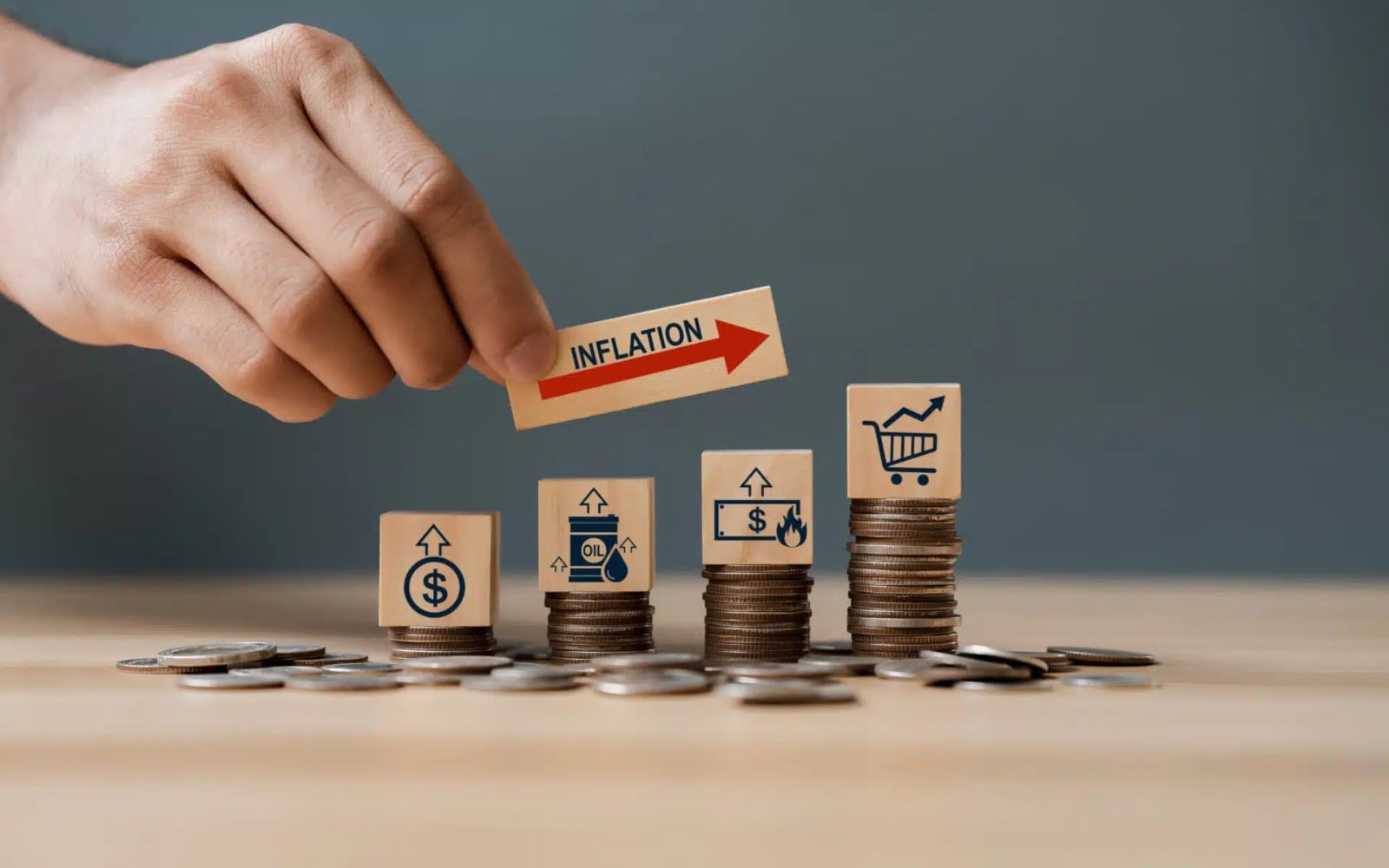
Most people can’t always point to one specific reason, but there’s a shared feeling that’s become hard to ignore: everyday life simply costs more than it used to. Groceries, rent, insurance, utilities, dining out, almost everything has quietly shifted upward. At the same time, incomes haven’t always moved at the same pace. That difference is what many are now feeling as a growing gap in their wallets.
This gap doesn’t usually show up all at once. It builds slowly, almost invisibly. A grocery trip that used to feel manageable now ends with a higher-than-expected total. A monthly bill creeps up by a few dollars here and there. Rent renewals or mortgage renewals come with changes that feel harder to absorb than before. Individually, these increases can seem small. Together, they reshape how far a paycheque really goes.
One of the biggest drivers behind this is the uneven pace between costs and wages. While some incomes have increased over time, essential expenses, especially housing, food, and transportation, have often risen faster. These are not optional areas of spending, which makes the pressure even more noticeable. When essentials take up more of the budget, there is less flexibility for savings, lifestyle spending, or unexpected costs.
Another factor is how “everyday inflation” shows up differently depending on what people spend their money on. Someone who travels often may notice airfare increases. A family may feel it more in grocery bills. A renter might see it in lease renewals. Because everyone’s spending mix is different, the experience of rising costs feels personal, even though the broader trend is widespread.
There’s also a psychological layer to this shift. Prices don’t just change numbers on receipts, they change expectations. What once felt normal slowly becomes a “treat” or something you reconsider. Over time, people adjust their habits without always realizing it: fewer discretionary purchases, more price comparisons, delayed decisions on larger expenses. This adaptation is subtle, but it reflects a deeper adjustment to financial reality.
Importantly, this gap doesn’t mean financial mismanagement. For many households, it reflects structural changes in the economy rather than individual choices. Higher interest rates, supply chain adjustments, housing demand, and broader inflation trends all play a role. These are large-scale forces that impact budgets regardless of planning or discipline.
The key response for many households has become awareness and recalibration. Not necessarily cutting everything back, but being more intentional, understanding where money is going, identifying what has increased the most, and making conscious trade-offs. In some cases, it’s about restructuring debt or adjusting savings goals. In others, it’s simply about pacing spending differently across the month.
While the gap between income and expenses may feel frustrating, it also highlights something important: financial awareness is becoming more critical than ever. The households that navigate this environment most effectively aren’t necessarily the ones earning the most, but the ones most in tune with how their money flows.
Ultimately, the feeling in your wallet isn’t just about numbers, it’s about alignment. When income and expenses move together, things feel stable. When they don’t, even a strong income can feel stretched. Understanding that gap is the first step in closing it, or at least managing it with more clarity and control.

Roger Townsend

5 Star Reviews
Check out this article next

A Brighter Way to Live
There are times of year when everything feels a little easier. The days are longer, the air feels lighter, and there’s a natural shift in…
Read Article