
Economy at a Glance: What Rising Rental Demand Means for Buyers in 2026
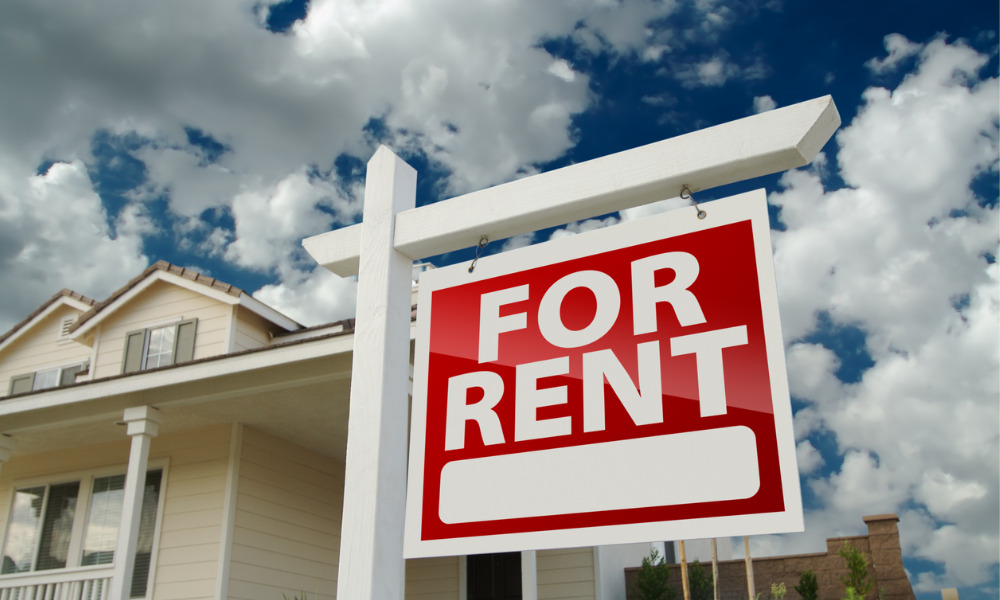
Rental demand is climbing across many major markets in 2026, and while that might sound like a challenge for renters, it’s also creating new opportunities for buyers. Whether you’re planning to purchase your first home or considering an investment property, understanding what’s driving rental pressure can help you make smarter decisions this year.
📈 Why Rental Demand Is Rising
Several trends are pushing more people into the rental market:
1. Higher borrowing costs
Even with gradual rate adjustments, financing remains more expensive than it was a few years ago. Some would-be buyers are choosing to wait, increasing competition for rentals.
2. Population growth and mobility
Urban centres continue attracting students, professionals, and newcomers, boosting demand for flexible housing options.
3. Limited housing supply
New construction hasn’t fully caught up with demand, especially for entry-level homes and purpose-built rentals. When supply stays tight, rental prices tend to rise.
🏡 What This Means for Buyers
Rising rental demand changes the buying landscape in several important ways:
Stronger investment potential
Higher rents can improve cash flow for property owners. For buyers considering an income property, strong rental demand can help offset ownership costs.
Increased competition for affordable homes
As renters look for stability and long-term cost control, more people may shift toward buying when possible — especially in entry-level price ranges.
Greater long-term stability
Owning can offer predictability in monthly housing costs compared to fluctuating rental prices. For many households, that stability becomes more valuable as rents rise.
Opportunity in smaller or multi-use spaces
Compact homes, condos, and properties with secondary suites are gaining attention because they balance affordability with income potential.
💡 Smart Strategies for Buyers in 2026
If you’re thinking about purchasing this year, consider these practical approaches:
- Focus on long-term value. Look beyond short-term market shifts and evaluate neighbourhood growth, infrastructure, and demand trends.
- Run realistic cost scenarios. Compare ownership costs with local rent levels to understand your financial position clearly.
- Consider flexibility. Properties that allow future rental income, such as basement suites or adaptable layouts can provide added security.
- Move when you’re ready, not when the market feels perfect. Housing cycles shift, but personal financial readiness remains the most reliable timing factor.
🔎 The Bottom Line
Rising rental demand is reshaping housing decisions in 2026. While it reflects ongoing affordability challenges, it also highlights the growing value of homeownership, both as a place to live and as a long-term investment.
For buyers who plan carefully and think strategically, today’s rental pressure may actually signal opportunity. Understanding the forces behind the trend is the first step toward making a confident move in the year ahead.

Roger Townsend

5 Star Reviews
Check out this article next

KUUMBA 2026: Toronto’s Celebration of Black Creativity & Futures
Toronto’s streets, galleries, and performance spaces come alive every February with KUUMBA, the city’s longest-running Black Futures Month festival. Meaning “creativity” in Swahili, KUUMBA is…
Read Article